

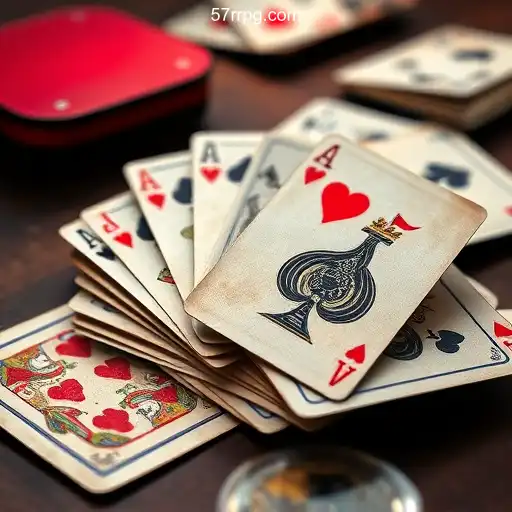
Exploring the World of Card Games: A Journey Through History and Culture
Card games have long been an integral part of human culture, offering not only entertainment but also a platform for social interaction, strategic thinking, and even a bit of luck. As we dive deep into the world of card games, we will explore their origins, evolution, and the enduring charm that has captivated players for centuries.
The Origins of Card Games
Card games are believed to have originated in China during the Tang dynasty (618–907 AD). The earliest references to card games in historical records date back to this period, where they were known as "leaf games." These early games employed intricately designed playing cards, which were hand-painted and often used primarily by the upper echelons of society due to their luxurious nature.
From China, card games spread to other parts of Asia and eventually made their way to the Middle East. The Mamluks of Egypt are credited with introducing a deck of cards to medieval Europe. These cards bore designs that would later influence the suits of playing cards as we know them today. By the late 14th century, card games had spread across Europe, becoming a popular pastime for people of all social strata.
The Evolution of Playing Cards
As card games gained popularity in Europe, the design and format of playing cards evolved. The original suits of polo sticks, coins, swords, and cups eventually transformed into the modern suits of spades, diamonds, clubs, and hearts. This transition is attributed to the French, who standardized the deck into the 52-card set commonly used today.
Card games such as bridge, poker, and rummy became standardized during this period, each gaining a loyal following. The adaptability of a standard deck allowed for endless variations and the creation of countless unique games, each with its own set of rules and nuances.
Popular Card Games Around the World
Card games have diverse incarnations across the globe, each reflecting local cultures and traditions. In North America, games like poker and blackjack dominate both casual and casino settings. Poker, in particular, has evolved into a cultural phenomenon, with televised tournaments and global championships capturing the public's imagination.
In Europe, games like bridge and rummy have long been favorites. Bridge, known for its complexity and strategic depth, is often played competitively, with local and international tournaments drawing enthusiasts from around the world.
In Brazil, card games are equally beloved, with traditional games like Truco and Buraco holding a special place in social gatherings. Online platforms such as 57RR.com Oficial 💯️ - O melhor cassino online do Brasil offer accessibility to a wide variety of card games, catering to both traditionalists and those seeking the thrill of modern casino experiences.
The Role of Card Games in Modern Society
Beyond their rich history and cultural significance, card games continue to play a pivotal role in modern society. They provide a unique form of entertainment that blends skill, chance, and social interaction. In an age dominated by digital technology, card games offer a tactile, face-to-face experience that many find refreshing.
Online platforms have further expanded the reach and popularity of card games, removing geographical barriers and allowing players from around the world to connect and compete. Websites such as 57RR.com Oficial 💯️ - O melhor cassino online do Brasil exemplify this trend, offering a digital hub where players can enjoy the best of both traditional and modern card games.
The Enduring Appeal of Card Games
As we look to the future, it is clear that card games will continue to evolve and adapt, incorporating new technologies and embracing changing social trends. Yet, their enduring appeal remains rooted in a tradition that has spanned millennia, offering excitement, camaraderie, and a touch of fortune.
In conclusion, the world of card games is as vast and varied as the players who engage with them. From ancient origins to digital innovations, card games hold a mirror to the diverse tapestry of human history and continue to captivate hearts and minds worldwide.